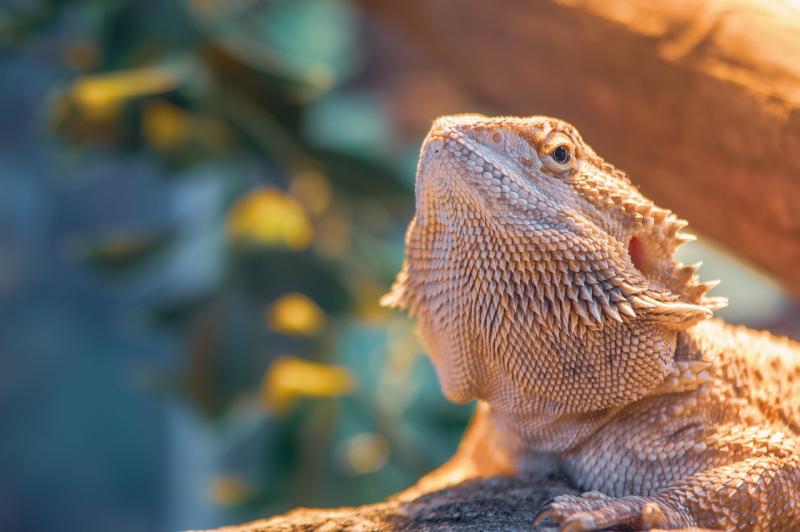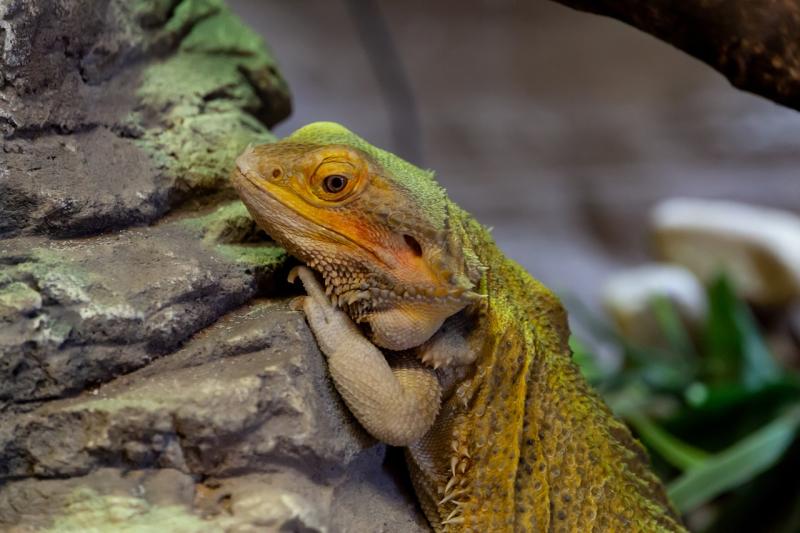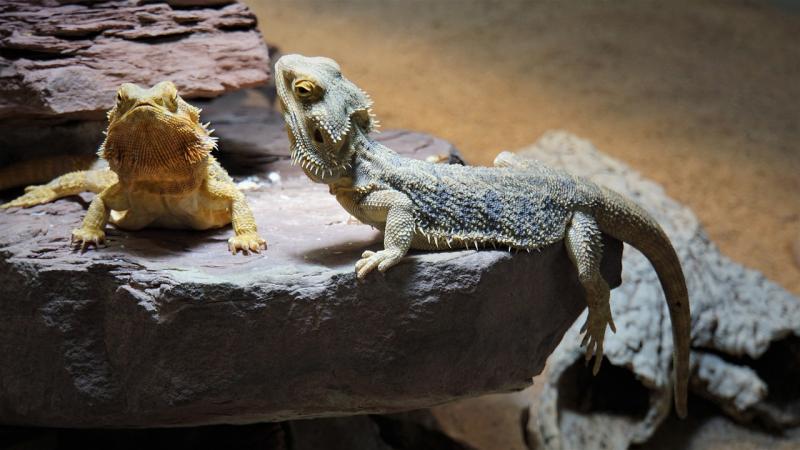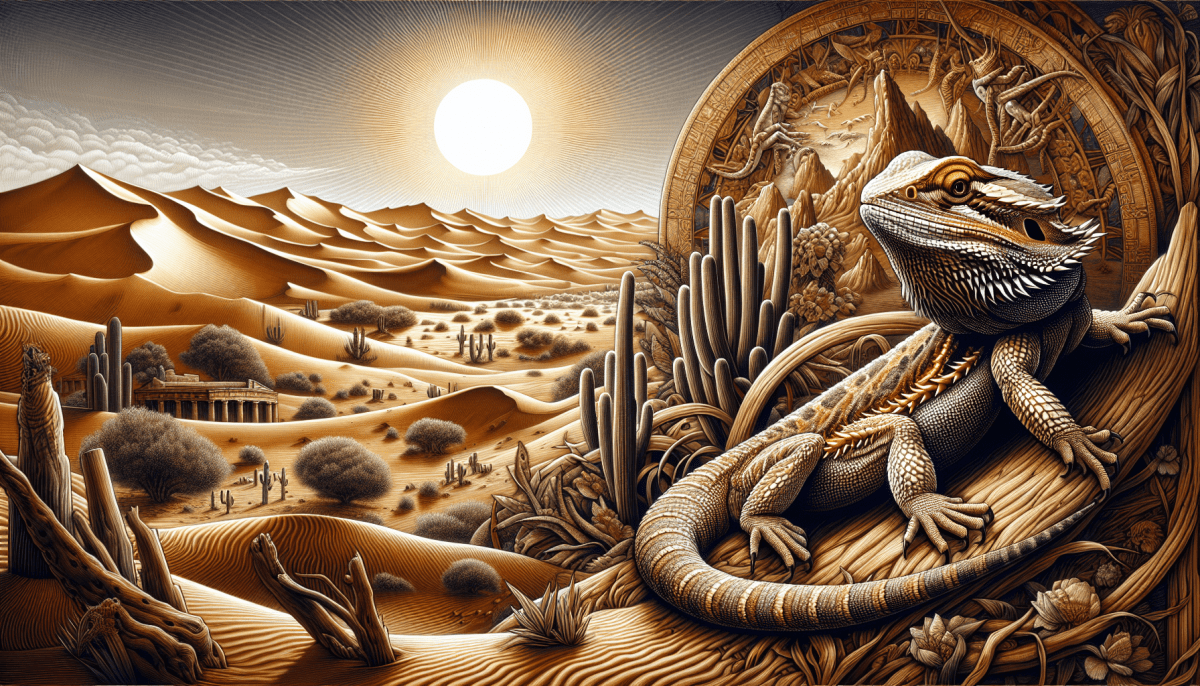
Bearded dragons have quite an interesting backstory. They originate from the arid, rocky areas of Australia. These lizards thrive in environments that can get pretty hot during the day and cool off at night. That temperature difference helps them stay active and healthy. The bearded dragon you see today is mostly the result of selective breeding, which started picking up steam in the late 1990s.
First, let’s talk about the wild bearded dragon. In their natural habitat, they’re known for their unique personality and calm nature. They’re not just sitting around; these lizards bask in the sun during the day and hunt for insects. That’s right—bearded dragons are like little sunbathers that enjoy the warmth and explore their surroundings. But when they’d puff out their beards, it wasn’t a fashion statement. It’s a sign to other dragons that they mean business!
In captivity, bearded dragons quickly became popular pets. Breeders started mixing different color patterns and sizes, turning these lizards into a colorful spectacle. You can find them in shades like orange, yellow, and even gray! This variety makes them a hit among reptile lovers. They’re not just beautiful, though; they’re also friendly and often enjoy hanging out with their owners. Who wouldn’t want a little buddy that chills on your shoulder or explores around your living room?
Their rise in popularity peaked around the early 2000s, making them one of the most sought-after reptiles for pet enthusiasts. With their approachable nature and easy care requirements, they've won over many hearts. Today, you can find a bearded dragon in many homes, and they’re often seen as the perfect introduction to reptile keeping. More than just pets, they’ve carved out a special place in the hearts of many families.
Evolution of Bearded Dragons
Bearded dragons have a fascinating history that goes back millions of years. They belong to a group of lizards known as the Agamidae family. This family is known for its diverse range of species, but bearded dragons stand out for their friendly nature and unique looks. They first emerged in Australia, where they adapted wonderfully to the arid climate and rocky terrain.
Over time, these lizards developed their signature “beard,” which puffs up when they feel threatened or during mating displays. This helps them communicate with other dragons and defend their territory. Their color-changing ability is pretty cool too, as it helps them regulate their body temperature and blend into their environment.
As humans became more interested in keeping reptiles as pets, breeders started to selectively breed bearded dragons, creating a variety of colors and morphs. This evolution has led to the vibrant and diverse selection we see today. From the classic yellow and brown to striking patterns and hues, there’s a bearded dragon for everyone!
Whether you’re a hardcore enthusiast or a newcomer, understanding the evolution of these lizards helps you appreciate their unique qualities. Knowing where they came from adds a whole new level of connection with your scaly friend!
Popular Bearded Dragon Breeds
Bearded dragons come in all sorts of colors and patterns, making them super popular among reptile lovers. Let’s check out some of the most loved breeds out there. You might find your next scaly buddy in this lineup!
Classic Bearded Dragon: This is the breed most people think of when they hear "bearded dragon". They typically have a brown or tan base with darker patterns. They're friendly and easy to handle, making them a great choice for first-time owners.
Hypomelanistic Bearded Dragon: These little guys are a hit for their beautiful, lighter colors. They lack lots of dark pigmentation, which makes them look striking. They still have that classic bearded dragon personality—curious and sociable!
Leatherback Bearded Dragon: If you're after something unique, leatherbacks are awesome. They’ve got fewer scales on their backs, giving them a smooth look. It's not just about the looks, though; they’re just as friendly and active as their scaled siblings!
Translucent Bearded Dragon: Translucents are another fan favorite. Their skin appears almost see-through, showcasing some really funky colors beneath. They can be a bit more sensitive to light and temperature, but they make up for it with their stunning appearance and fun personalities.
Care Tips for Bearded Dragons
Taking care of a bearded dragon is pretty straightforward, but there are some key things to keep in mind for a happy and healthy pet. First off, the right habitat is essential. A spacious terrarium with good ventilation is a must. Aim for at least 40 gallons for an adult dragon. Make sure to set up a basking spot with a heat lamp to create a warm area and a cooler side for them to retreat when they need to chill out.
Lighting is super important too! Bearded dragons need UVB light to help them absorb calcium and prevent metabolic bone disease. A good UVB bulb should cover about two-thirds of the tank and be replaced every six months, even if it still lights up. This will keep your dragon's bones strong and energy levels high.
When it comes to diet, variety is your best friend. Offer a mix of insects like crickets and mealworms, along with fresh veggies like collard greens, mustard greens, and bell peppers. You can sprinkle some calcium powder on their food a few times a week to give them an extra boost. Just avoid feeding them things like iceberg lettuce or spinach, as they don’t provide much nutrition.
Don't forget about hydration! Bearded dragons can get dehydrated, especially in warmer weather. Mist their habitat lightly or provide a shallow dish of fresh water. They might drink from it at times, but they also love to soak in it, so a little bath now and then is a great way to keep them hydrated and happy.
Lastly, spend time with your dragon. They enjoy handling and interacting with their humans. Just be sure to support their body well when holding them and never grab them by the tail, as it can cause stress. Building that relationship makes all the difference in their overall happiness.