Bearded dragons are pretty tough little creatures, but they can run into some health issues just like us. Knowing what to look for can make a world of difference. Here are some common health problems you might see and how to tackle them.
Metabolic Bone Disease (MBD): This one is pretty common, especially if your dragon doesn’t get enough calcium and UV light. Look for signs like weakness, twitching, or deformities in their limbs. To help, ensure they get enough calcium and vitamin D3. Using a good quality UVB light is also crucial. This will help your beardie absorb the calcium they need.
Respiratory Infections: If you notice your dragon coughing, wheezing, or having trouble breathing, it might have a respiratory infection. Keep an eye out for mucus around the nose or mouth, too. Make sure their environment is warm enough and dry, as high humidity can lead to this issue. A vet visit is a good idea, and they might give you some medications to clear it up.
Parasites: Yep, our scaly friends aren’t immune to pesky parasites. If your bearded dragon is losing weight, acting sluggish, or has diarrhea, it might be time for a check-up. A vet can run some tests to see what’s going on and recommend the right treatment, like deworming medication if needed.
Impaction: This happens when your dragon eats something they shouldn’t or gets too much substrate in their tummy. You might notice your beardie isn’t eating, looks lethargic, or has trouble going to the bathroom. To help, ensure they have a proper diet and avoid using inappropriate substrates like sand. If you suspect impaction, taking them to the vet is the best move.
Signs of a Sick Bearded Dragon
Noticing that your bearded dragon isn’t acting like their usual self can be stressful. When they get sick, it’s essential to catch the signs early. Here’s what to look out for:
Always keep an eye out for these signs. The sooner you notice something off, the better your chances of getting your bearded dragon back on track. Trust your gut; if something feels wrong, it’s best to consult a vet who specializes in reptiles. Your little buddy is counting on you.
Quick Remedies for Bearded Dragon Problems
If you’re a bearded dragon owner, you know that sometimes your scaly friend might face a few bumps in the road. Here are some quick remedies to tackle common problems that can pop up along the way.
Always keep an eye on your dragon’s diet. If your buddy isn't eating much, try offering some tasty greens like collard greens or dandelion leaves. Sometimes just switching it up can get them interested again. Don't forget to add dusted calcium supplements to keep their bones strong!
Have you noticed your bearded dragon basking more than usual? That could be a sign of illness or stress. Make sure they have a cozy spot to bask with the right heat and lighting. If they seem lethargic, a warm bath can help to perk them up. Just fill a shallow dish with lukewarm water and let them soak for about 15-20 minutes.
For any signs of shedding issues, like skin getting stuck around their toes or eyes, a humidity boost might do the trick. A light misting in their enclosure can help. Make sure you also provide plenty of rough surfaces for them to rub against, which helps with shedding naturally.
If your bearded dragon has an upset stomach, bland food like cooked squash or pureed pumpkin can be soothing. Just keep it simple to give their tummy a break. Remember, if anything feels serious or you’re unsure, just reach out to a vet who specializes in reptiles. Your dragon deserves the best care!
When to See a Vet for Help
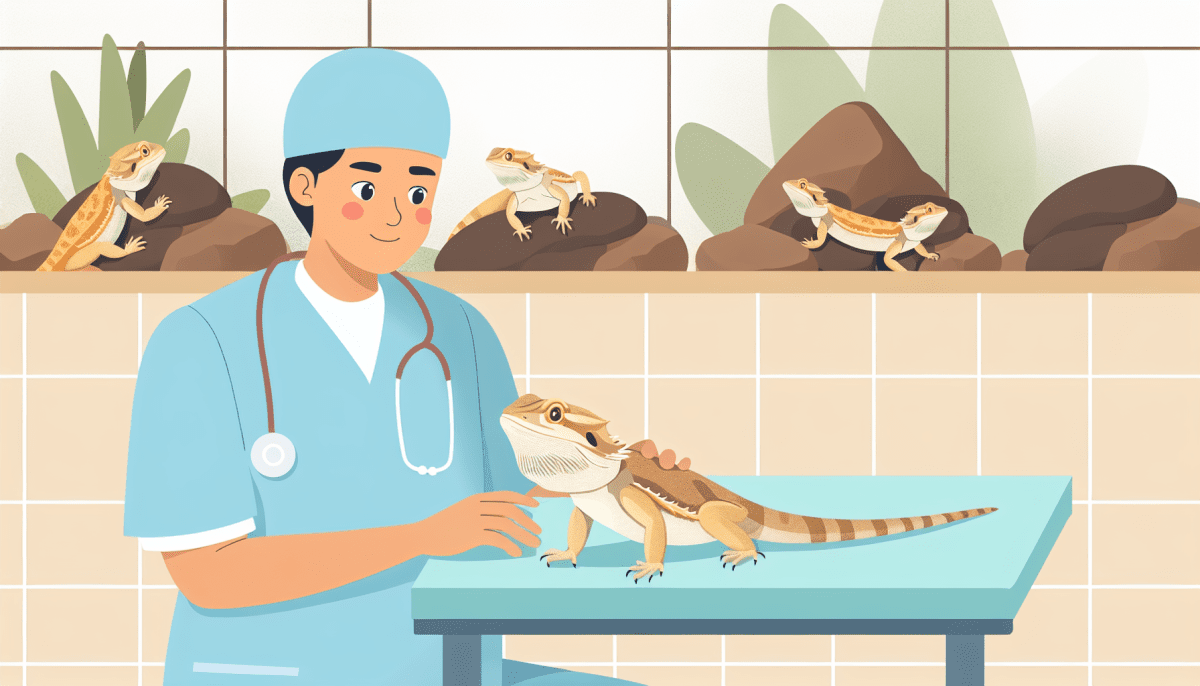
Your bearded dragon is more than just a pet; they're a part of the family. Knowing when to see a vet can really make a difference in their health. Here are some key signs to keep an eye on.
If your dragon stops eating or drinking, don’t wait around. A sudden loss of appetite can signal health issues. It might be stress, illness, or even a change in their environment. If they go a day or two without food, it’s time to call the vet.
Look for any changes in behavior. Is your beardie just lounging around all day and not being their usual curious self? If they seem lethargic or are hiding a lot, something might be off. It’s better to check in with a vet and make sure everything’s alright.
Also, keep an eye on their eyes and mouth. If you notice discharge, swelling, or any signs of irritation, don’t wait. Your dragon could have an infection or respiratory issue. Early intervention can save a lot of trouble later.
And let’s not forget about their skin! If you see any odd bumps, discoloration, or shedding problems, get it checked out. Skin issues can lead to bigger health concerns if ignored. Trust your instincts—if you think something’s wrong, it’s always a good move to consult a vet.